
Belmont Continues to Grow as City Leaders Balance Development, Traffic and Small-Town Character
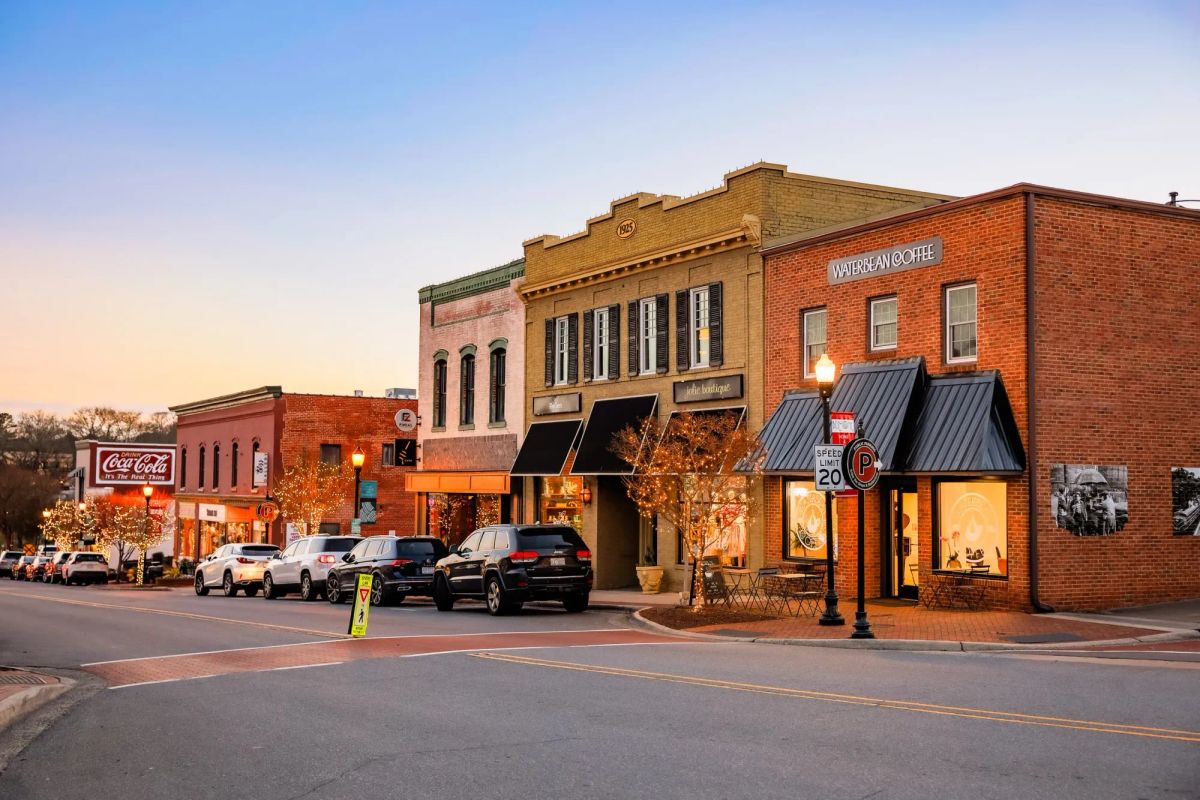
Belmont’s growth is no longer a future possibility. It is already here.
Across the city, new homes, businesses, road improvements, restaurants, and redevelopment projects are reshaping the way Belmont looks and feels. For many residents, that growth brings excitement and opportunity. For others, it raises familiar questions about traffic, infrastructure, affordability, and how to preserve the character that made Belmont appealing in the first place.
As more people move into the area, city leaders continue to face the challenge of managing growth without losing the qualities that define the community.
Downtown Belmont remains one of the city’s strongest assets. Its walkable streets, local restaurants, shops, historic buildings, and community events continue to attract both residents and visitors. But increased activity also brings pressure on parking, roads, public services, and long-term planning.
The city’s location has also made it especially attractive. With proximity to Charlotte, Lake Wylie, the airport, and other parts of Gaston County, Belmont has become a desirable place for people who want access to a larger metro area while still living in a community with a smaller-town feel.
That demand has contributed to continued residential growth, new development proposals, and ongoing conversations about land use. As projects move forward, residents are paying close attention to how new construction fits into the city’s existing neighborhoods and historic areas.
Traffic remains one of the most common concerns. As more homes and businesses are added, residents have raised questions about road capacity, pedestrian safety, and how the city can better manage congestion in key corridors.
At the same time, growth has brought new energy to Belmont’s local economy. More residents can mean more customers for small businesses, stronger demand for restaurants and retail, and new opportunities for community events and civic investment.
The question now is not whether Belmont will grow, but how.
For city leaders, the years ahead will likely involve difficult decisions about zoning, transportation, public space, infrastructure, and development standards. For residents, staying engaged in those decisions will be an important part of shaping Belmont’s future.
Belmont’s challenge is the same one facing many fast-growing communities: how to welcome progress while protecting a sense of place.
As the city continues to evolve, that balance may define the next chapter of Belmont’s story.